American Daylily Society Awards and Honors
Recognizing Excellence
Our society recognizes over 40 different awards categories for the daylily and the people who love them. Awards range from photography, flower shows, media, mentoring, grants, and especially awards for the greatest daylilies and daylily people around. Garden Judges and members can also vote online and nominate worthy candidates and plants to our awards system. Congratulations to the hybridizers, plants and daylily people who are past award winners in all categories!
Voting is a great benefit of American Daylily Society membership. Garden Judges can vote their annual ballots, and members can vote for the Popularity Poll.
4 Categories - 60+ Years of Excellence
American Daylily Society Winners
Description:
Awards given to daylilies - including the Stout Silver Medal.
Stout Silver Medal
Award of Merit
Honorable Mention
Junior Citation
Lenington All-American Award
Extra Large Diameter
Early Season Bloom
Donn Fischer Memorial Cup
Annie T. Giles Award
Ida Munson Award
Don C. Stevens Award
Eugene S. Foster Award
Harris Olson Spider Award
Lambert / Webster Award
R. W. Munson, Jr. Award
President's Cup
Florida Sunshine Cup
Georgia Doubles Appreciation
Ned Roberts Spider / UF Award
James E. Marsh Award (1981-1991)
Richard C. Peck Memorial (1974-83)
Robert P. Miller Memorial (1974-83)
L. Ernest Plouf Award (1979-2003)
Description:
Awards given to people for their exemplary contributions to the society.
Helen Field Fischer Gold Medal
Bertrand Farr Silver Medal
Electronic Media
Steve Moldovan Mentoring
Regional Service
Newsletter
Mabel Matthews Scholarship
Bertie Ferris Youth Fund
Christine Erin Stamile Youth Fund
Description:
Featuring the outstanding photography and videos from our members in various categories.
Mildred Schlumpf Photography
Multi-Bloom Photography
Artistic Garden Image
Youth Photography
Lazarus Memorial
Sarah Sikes
A.D. Roquemore
Description:
Featuring winners of special awards given at accredited daylily shows.
Tricolor Medal
Ophelia Taylor Horticulture
Achievement Medal
Popularity Poll
Sharing Our Love For Daylilies
What Daylily is Popular in Your Area?
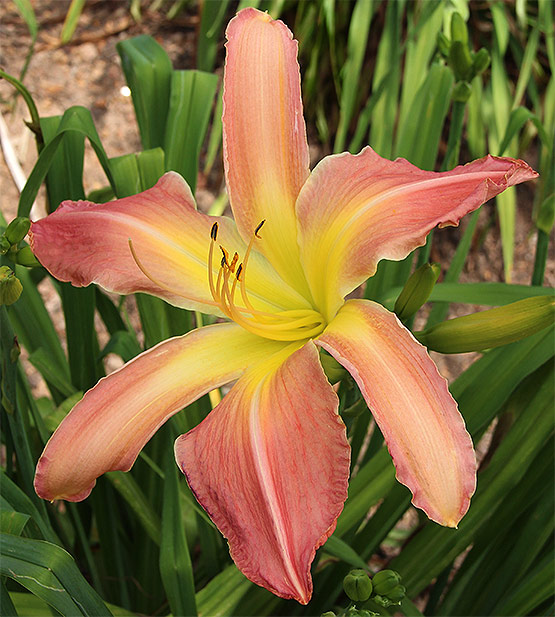
As a service to its members and to the general public, each year the American Daylily Society conducts a popularity poll among its members to determine the favorite daylilies from each region. It is the hope that this Popularity Poll presents a true picture of which daylilies perform well in a given area and which are best liked by the membership. Popularity polls are important to daylily growers — both members and nonmembers — who make daylily selections for purchase.
The American Daylily Society